Grow Up Guides
Master the art of growing hybrid vegetables with our step-by-step guides
Growing Hybrid Tomatoes in India
Growing hybrid tomatoes in India follows a similar process to growing any other variety of tomatoes, but here's a step-by-step guide tailored specifically for hybrid tomatoes.
Choose the Right Hybrid Tomato Variety
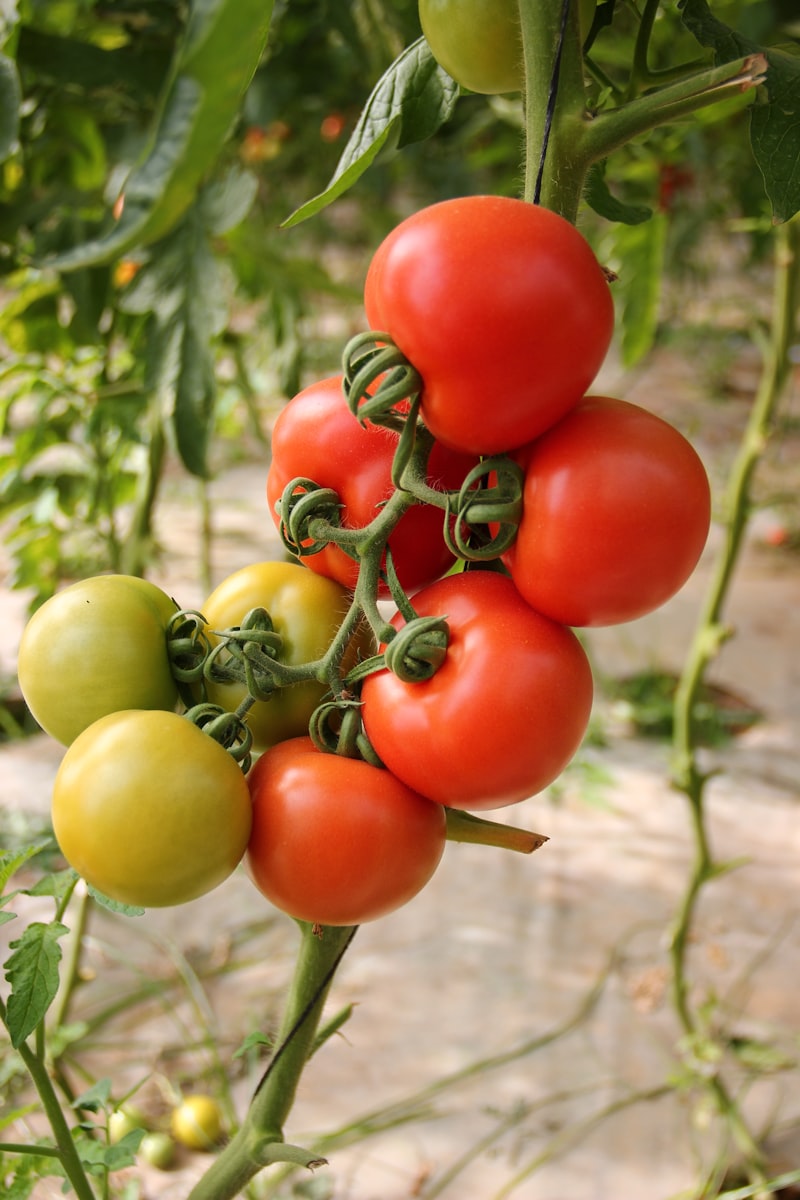
Seedcraft has various varieties of tomato for different agro climatic conditions. You can talk to our experts to select the right variety for your area.

Prepare the Soil
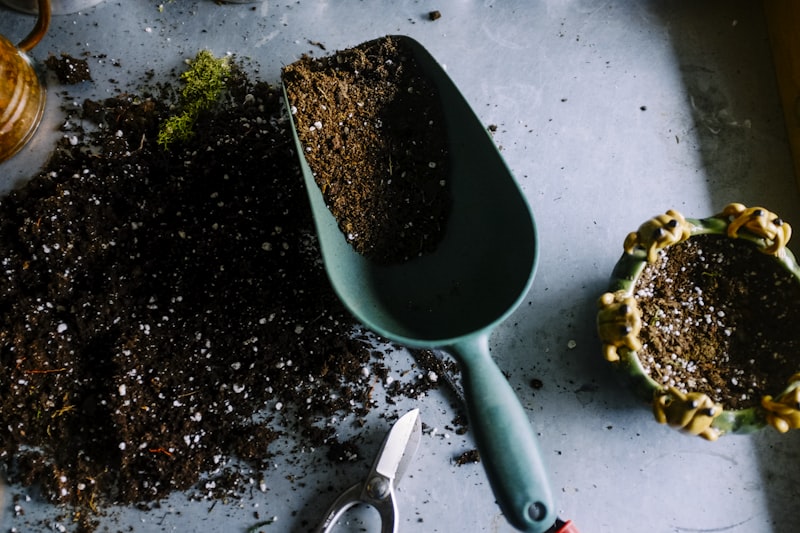
Hybrid tomatoes thrive in well-draining soil rich in organic matter. Prepare the soil by incorporating compost or well-rotted manure to improve fertility and structure. The soil should have a pH range of 6.0 to 7.0.
Starting Seeds
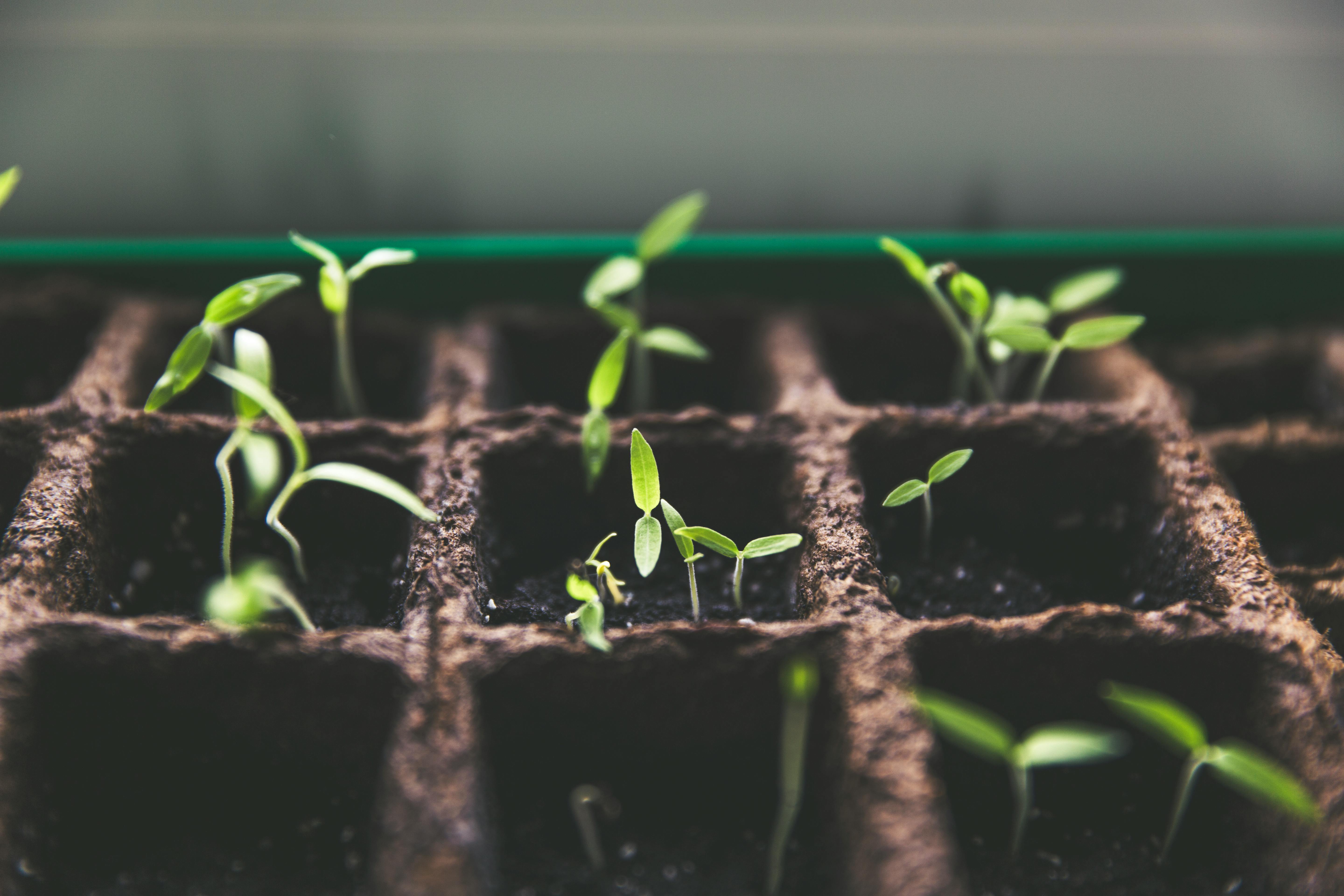
Start hybrid tomato seeds indoors about 6-8 weeks before the expected rains. Use seedling trays or small pots with a good-quality seed-starting mix. Keep the soil consistently moist and provide ample light, preferably from grow lights or a sunny window.

Transplanting
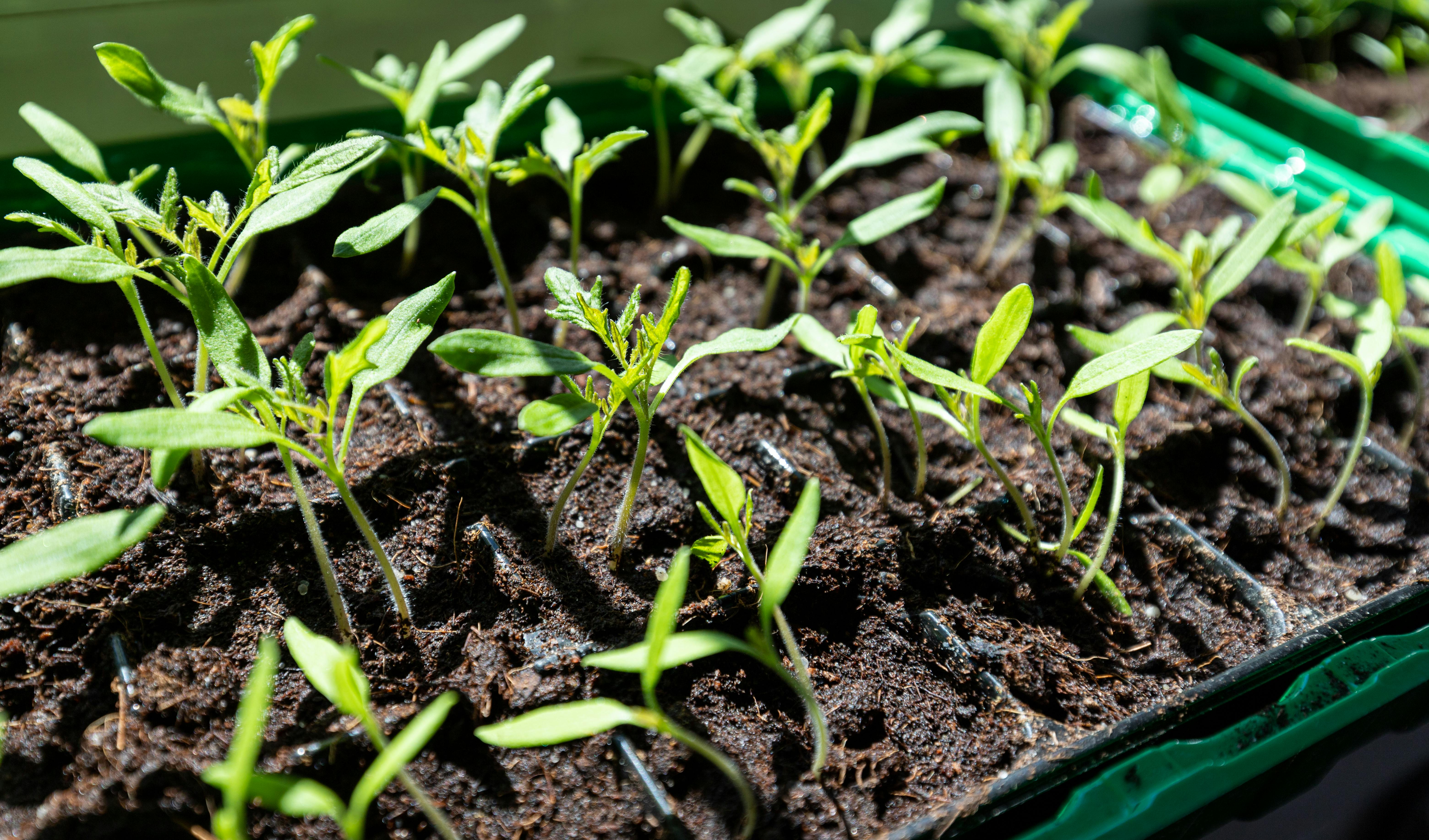
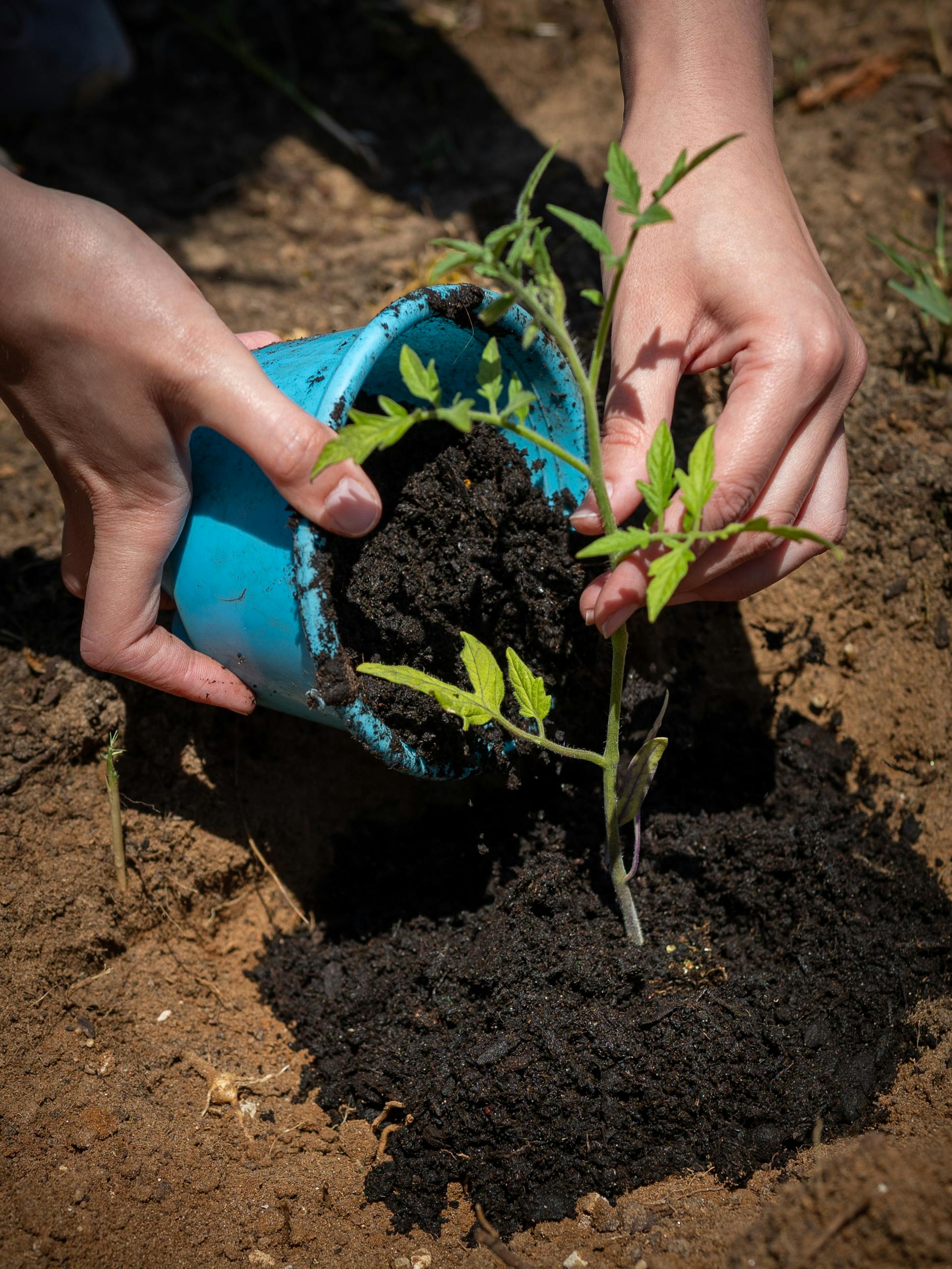
Once the seedlings have developed a few true leaves and the weather is suitable, transplant them into larger pots or directly into the garden. Maintain a spacing of about 2-3 feet between plants to ensure proper air circulation.
Provide Support
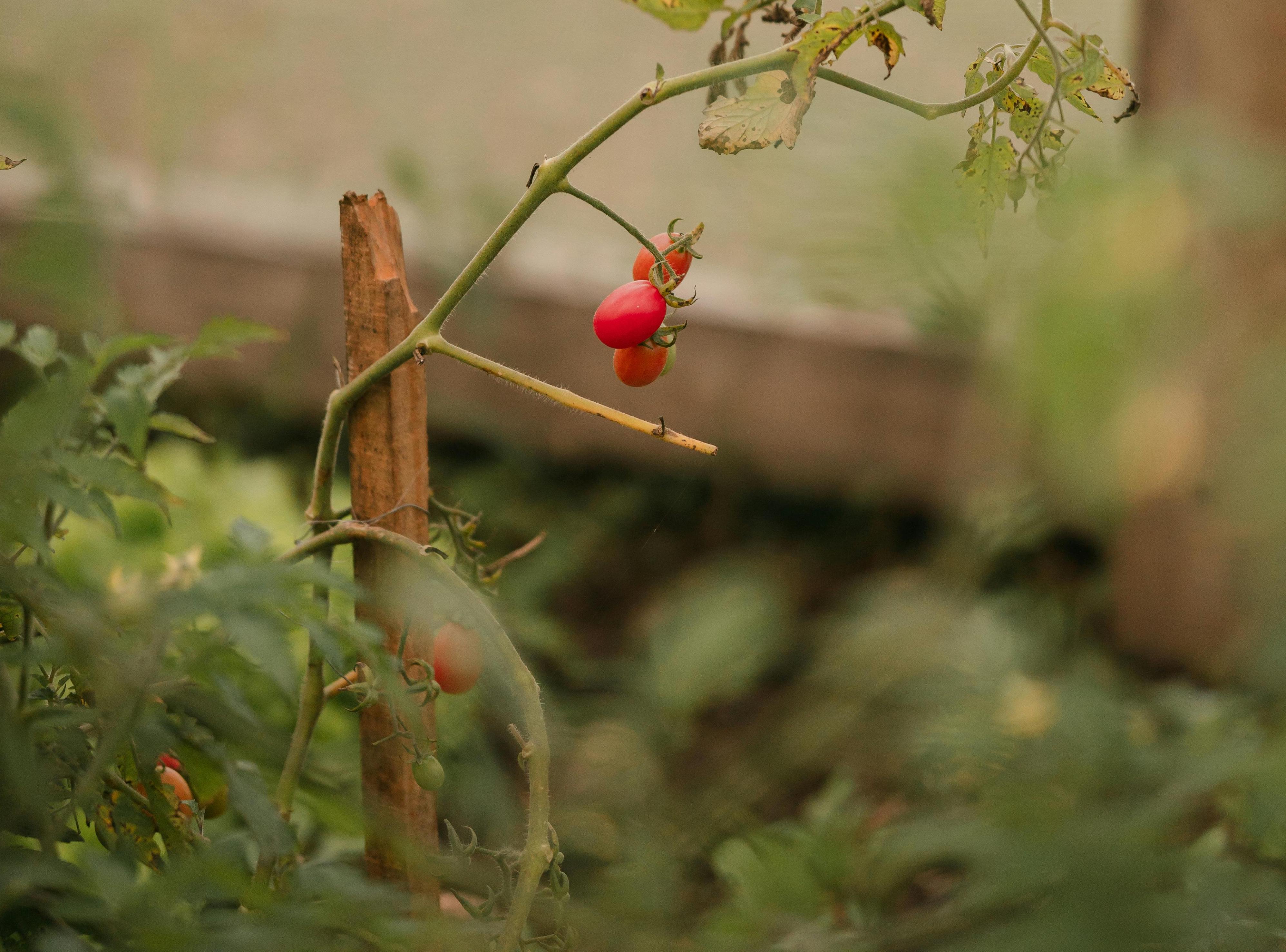
Most hybrid tomato plants benefit from support as they grow. Stake or cage the plants to prevent sprawling and to support the weight of the fruits.
Watering
Hybrid tomatoes require consistent and even moisture, especially during flowering and fruiting. Water at the base of the plant to prevent waterborne diseases. Avoid overhead watering to minimize the risk of fungal infections.

Fertilization
Prior to planting, incorporate compost or well-rotted manure into the soil. Once the plants start growing, you can feed them with a balanced fertilizer or a tomato-specific fertilizer. Follow the instructions on the fertilizer package for application rates.
Pruning
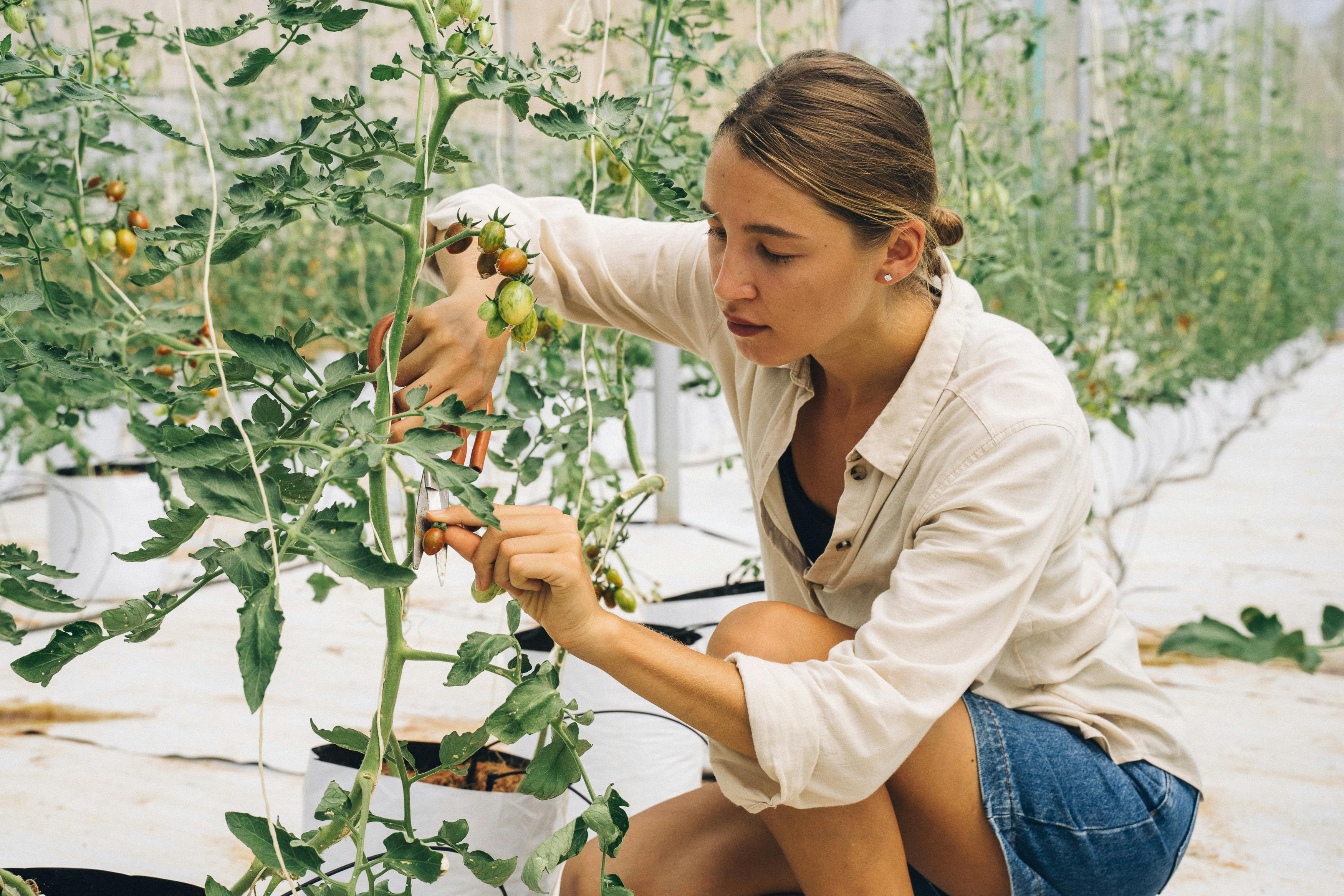
Regularly prune hybrid tomato plants to remove suckers (shoots that grow in the crotches between stems). This promotes better air circulation and directs the plant's energy towards fruit production.
Mulching
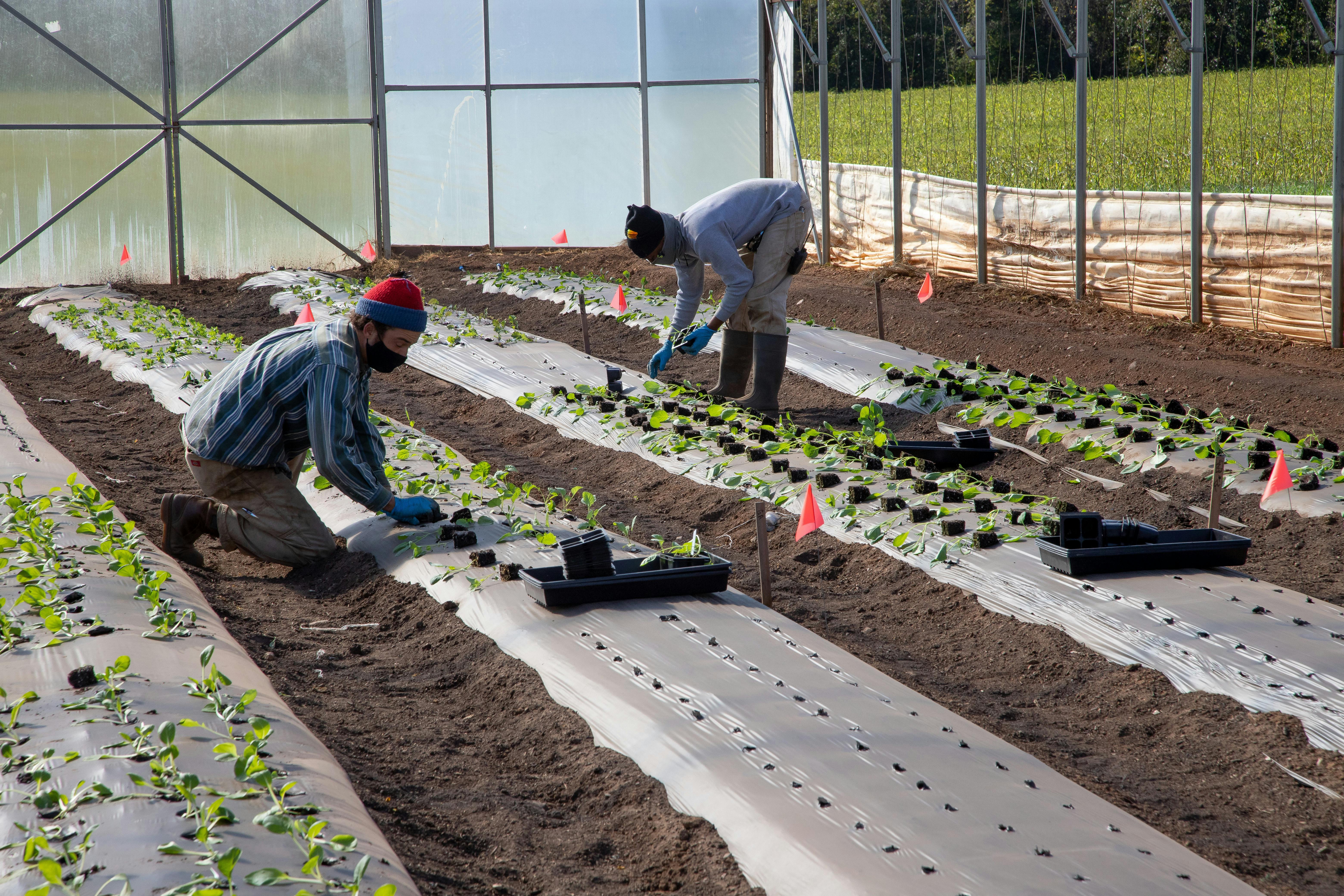
Apply a layer of organic mulch around the base of the plants. Mulch helps retain moisture, suppress weeds, and maintain a stable soil temperature.
Pest and Disease Management
Monitor your plants for common pests like aphids, whiteflies, and tomato hornworms. Use organic pest control methods to manage these insects. Preventive measures such as providing good airflow and spacing, as well as using disease-resistant varieties, can help minimize disease issues.

Harvesting
Hybrid tomatoes are usually ready for harvest in about 70-90 days after transplanting, depending on the variety. Harvest the fruits when they are fully colored, firm, and slightly soft to the touch. Gently twist or cut the tomatoes from the vine to avoid damaging the plant.
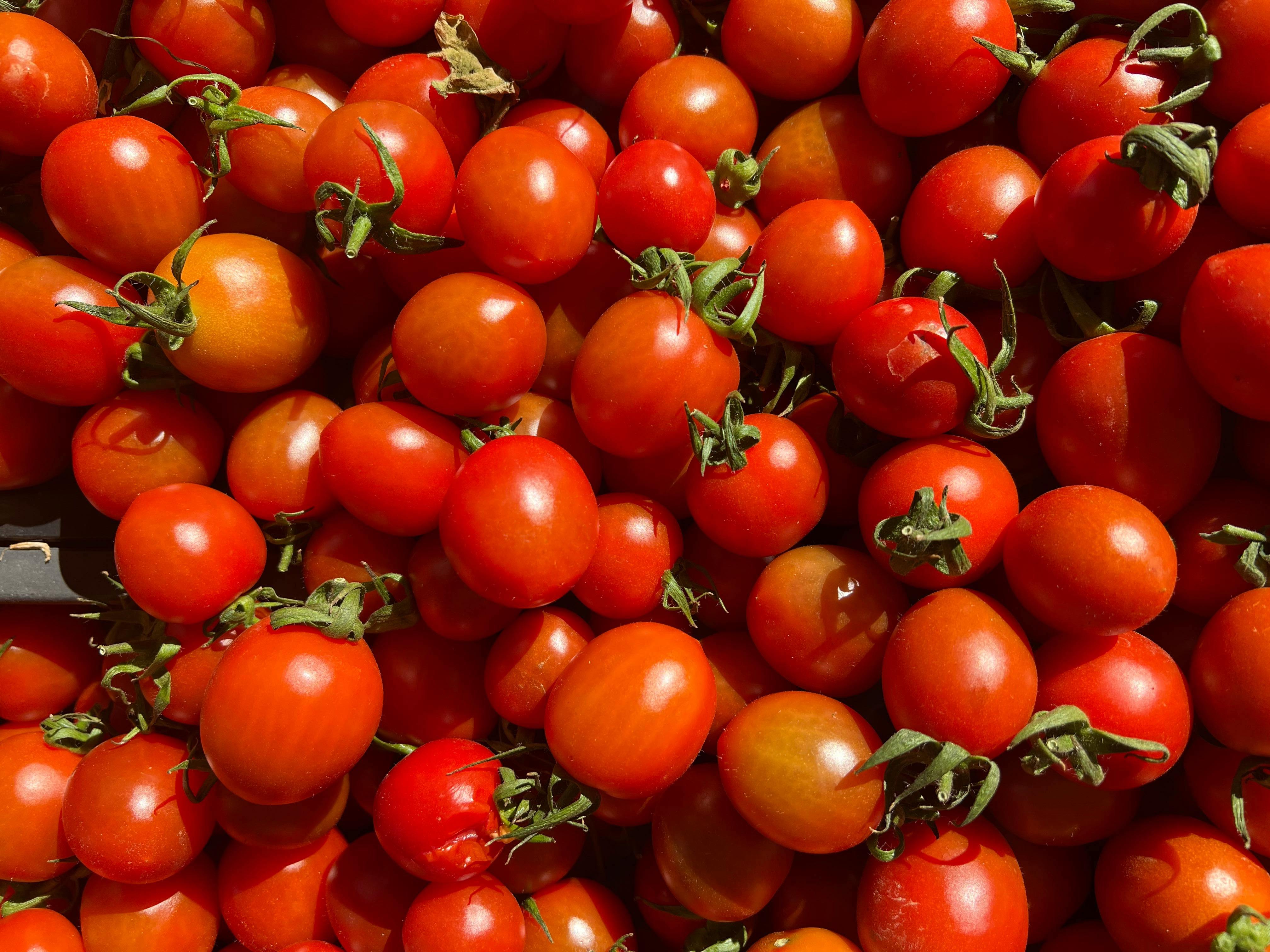
By following these guidelines and adapting them to your specific local conditions, you can successfully grow hybrid tomatoes in India. Remember that consistent care, observation, and adjustment are key to a successful harvest.